Bar With Private Room Features to Look for Before You Book
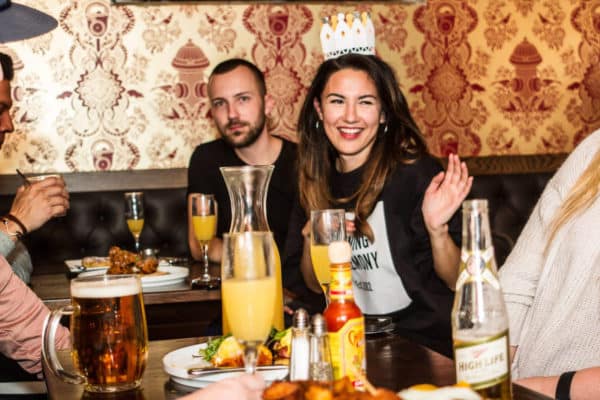
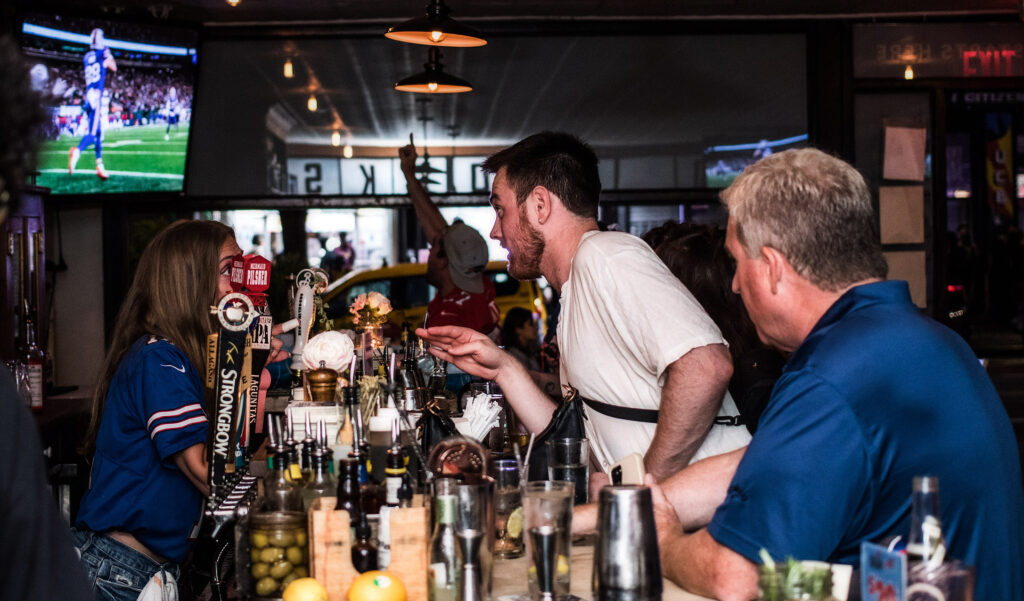
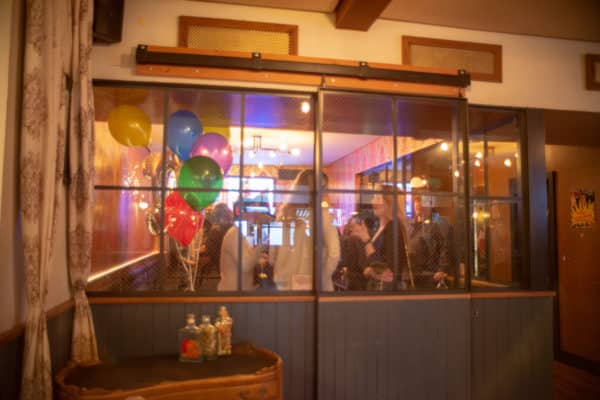
Booking a bar with private room sounds simple until you have to live with the decision on the night. The wrong space can flatten a company mixer, turn a birthday dinner into a shouting match, or leave guests wandering around a venue that never quite feels reserved. The right room does the opposite. It gives the event shape. People settle in faster, hosts spend less time troubleshooting, and the gathering feels intentional rather than improvised.
Most booking mistakes happen because people focus on the obvious, capacity, price, location, and miss the details that change how the room actually works. I have seen compact rooms outperform larger ones because the layout encouraged conversation. I have also seen beautiful spaces fail because the sound leaked from the main bar, the service was slow, or the “private” room turned out to be a curtained corner beside the restrooms.
If you are comparing venues, it helps to think like both a host and an operator. A private room has to look good in photos, yes, but it also has to move drinks efficiently, handle noise, support timing, and keep guests comfortable for the full run of the event. Those are the features worth checking before you commit.
Privacy should mean more than a separate area
The phrase bar with private room can cover a wide range of setups. In some venues, it means a fully enclosed room with its own door, acoustic separation, and dedicated service. In others, it means a semi-screened section at the back with a few dividers and a vague sense of exclusivity. Those two experiences are not remotely the same.
Ask exactly what “private” means at the venue. A proper private room should protect conversation from the noise of the main floor and shield your group from constant foot traffic. If you are hosting a networking event, rehearsal dinner, investor gathering, or family celebration with speeches, partial privacy may not be enough. Guests need to hear one another without straining. They also need to feel that the room belongs to the event, not that they are temporarily borrowing a corner while the public bar carries on around them.
Doors matter more than many people realize. So do walls that reach the ceiling. A heavy curtain may look elegant in listing photos, but it does very little for sound control. One client I once worked with booked a room that looked perfect online, velvet seating, low lighting, handsome shelves behind the bar. In person, the room opened directly into the main bar through a wide archway. By 8 p.m., their anniversary party was competing with a live sports crowd from the next room. The photos were still good. The experience was not.
Layout is what decides whether people mingle or fracture
Capacity tells you how many bodies can fit. Layout tells you whether the event will actually function. This is one of the biggest differences between an average booking and a smart one.
A room listed for 40 guests can feel spacious for cocktails and painfully cramped for a seated meal. Likewise, a room for 20 can feel awkwardly empty if the furniture is spread too far apart and people have no visual center. Try to get a floor plan or, better yet, visit in person. Stand in the room and imagine the event unfolding from arrival to last call.
Think about where guests will enter, where they will queue for drinks if there is a bar station, where coats or bags will go, and where anyone giving a toast will stand. A long narrow room can look dramatic but often creates side conversations instead of one shared atmosphere. Square rooms are usually easier for social events. A flexible furniture plan is even better, especially if your evening shifts from drinks to speeches to dancing or informal mingling.
Sightlines are often overlooked. If half the room cannot see the speaker, cake table, presentation screen, or guest of honor, the event loses energy. People disengage quickly when they feel physically removed from the action.
Sound can make or break the room
Noise is the feature most people forget to test and the first thing they complain about later. It is not enough to ask whether the venue has music. Ask what the room sounds like when the main bar is full, when the kitchen is in heavy service, and when nearby spaces are booked simultaneously.
Acoustics depend on several factors: ceiling height, soft surfaces, door placement, flooring, and whether the room shares walls with louder areas. Hard surfaces, exposed brick, and glass can look polished, but they also bounce sound around. In a crowded room, that creates a constant rising hum that makes normal https://penzu.com/p/640fb383aa345dde conversation tiring.
For speech-heavy events, ask whether the venue offers a microphone or small speaker and whether the room actually needs one. Some compact spaces carry sound beautifully without amplification. Others become muddy the moment ten people start talking. If there is a television in the room, find out whether it can be muted or turned off. Screens showing sports or music videos can pull attention even when nobody asked for them.
A useful trick during a site visit is to stand in opposite corners and have a normal conversation. If you are already repeating yourself in an empty room, imagine it with thirty guests and background music.
Service style matters as much as the drinks
People often judge a private room by design and menu, but service is what guests remember. A sharp team can smooth over minor flaws in the space. Weak service exposes every flaw the room has.
Ask how the room is staffed. Does it come with a dedicated server or bartender, or does the main floor team cover it when they can? A private room with no assigned staff can leave guests waiting too long for drinks, which immediately changes the mood. At a casual birthday, that delay is annoying. At a business event, it can look disorganized.
There is also a practical side to service flow. If every drink has to be carried through a busy public bar, expect bottlenecks during peak hours. A room with its own service station, even a modest one, tends to run far more smoothly. The same goes for food. Passed appetizers require enough space for servers to move without bumping chairs or interrupting conversations. Plated meals need landing space. Buffet or grazing setups need logical placement so people are not clustering near the doorway.
Watch how the staff answers your questions before you book. Clear, specific answers are usually a good sign. Vague reassurance often signals inexperience or overbooking.
The bar program should fit the event, not just impress on paper
A strong drinks list is a selling point, but the best option depends on who is attending and how formal the event feels. A craft cocktail bar may be fantastic for a client reception or an intimate celebration, but less practical for a larger crowd if every order takes six minutes to build. Speed matters.
If your guest list includes varied drinkers, ask about range. You want solid beer and wine options, at least a few accessible cocktails, and genuinely decent nonalcoholic choices. Too many venues still treat nonalcoholic drinks as an afterthought, a soft drink, tonic with lime, and not much else. That feels dated, and guests notice. Good zero-proof options help everyone feel included, whether they do not drink, are pacing themselves, or are simply driving home.
Package pricing needs scrutiny too. Some hosts assume an open bar package is simpler, but minimum-spend models can work better if your group includes light drinkers. The reverse is also true. A group of enthusiastic cocktail drinkers can blow through a minimum faster than expected, especially in cities where drinks regularly run from $14 to $22.
Ask whether premium spirits are included, whether cocktails are limited under packages, and whether shots, doubles, or top-shelf pours are excluded. Those details can change the final bill more than the base rate suggests.
Seating comfort is not a luxury feature
People tolerate a lot for the first hour of an event. By hour three, bad seating becomes the only thing they can think about. That matters if you are hosting a dinner, panel, engagement party, or any event where guests stay put for stretches of time.
Bar stools may look sleek, but they are poor choices for older guests, anyone in formalwear, or a group expected to linger. Low lounge seating can work for cocktails but frustrates guests trying to eat from small plates or balance drinks. The most reliable setups mix standard-height seating with enough standing room to keep the energy from becoming static.
If the event includes family members across generations, comfort becomes even more important. I have seen otherwise beautiful rooms fail because grandparents struggled with stairs, guests in heels had nowhere to sit properly, or there was only banquette seating that forced everyone into one posture all evening.
Lighting shapes the mood and the photos
Lighting is one of those features that venue teams sometimes undervalue because they see the room every day. Hosts should not. Dim, flattering lighting can be ideal for evening cocktails. It is less ideal for reading menus, taking group photos, or making a lunchtime meeting feel focused.
The best private rooms offer adjustable lighting levels. Even simple dimmer control helps. If the venue relies heavily on candles or accent lamps, ask what the room looks like earlier in the evening and whether it changes later. Also ask about daylight if your event is during the day. Natural light can make a brunch shower or corporate gathering feel more inviting, but direct glare through large windows can make a summer event uncomfortable.
Photos matter more than some planners like to admit. If the room is too dark, guests will either use flash, which kills the atmosphere, or end up with grainy images that do not capture the occasion. If you are paying for a photographer, the venue should be able to tell you what lighting conditions to expect.
Restroom access, entry flow, and accessibility deserve attention
These are not glamorous features, which is exactly why they get missed. Yet they strongly influence guest comfort.
A private room should be easy to find without guests crossing the entire public venue in confusion. Clear entry flow matters, especially if your attendees are arriving in waves. Ask where guests check in, whether signage is allowed, and whether the room can be identified from the host stand.
Restrooms should be reasonably close, but not so close that there is a steady parade of non-guests passing the room. If the venue is upstairs or downstairs, confirm elevator access if needed. Accessibility is not optional planning. It is basic competence. Ask direct questions about wheelchair access, step-free routes, accessible restrooms, and whether seating can be rearranged for mobility devices.
Coat storage is another small feature with an outsized impact in colder months. If there is no coat check and limited chair space, outerwear ends up draped over every available surface. The room instantly feels cramped.
Food flexibility matters even when the event is drink-led
Some hosts book a bar with private room assuming food is secondary. In practice, food often determines how long guests stay and how smoothly the event runs. Even a cocktail-focused gathering benefits from a thoughtful food plan.
Check whether the venue requires a fixed menu, allows custom selections, or can accommodate dietary needs without making certain guests feel like an afterthought. Gluten-free, vegetarian, vegan, dairy-free, and allergy-aware options should be handled calmly and clearly. If the response sounds uncertain during booking, it may become chaotic on the night.
Portion style matters too. Passed canapés feel polished but disappear quickly in hungry crowds. Shared platters can encourage conversation, though they need enough table space. A more substantial menu may cost more upfront but often reduces overdrinking and keeps guests comfortable longer.
One practical lesson from experience: ask when the kitchen closes relative to your event end time. Some bars host private bookings in rooms that technically stay open later than the kitchen. If guests expect late-night food and it vanishes at 9 p.m., the room feels less generous than promised.
Technology should be invisible when it works
Not every private event needs a screen or speaker, but when it does, technology problems become the whole story. If you are planning slides, a tribute video, background playlist, remote remarks, or even a simple photo loop, ask specific questions about the room’s built-in capabilities.
Does the room have a screen that guests can see without craning their necks? What connectors are available? Can you control the audio in the room independently from the main bar? Is the Wi-Fi strong enough for streaming, or should you avoid relying on it? Venues often say they have “AV available,” which can mean anything from a proper installed system to an aging TV and an HDMI cable of uncertain origin.
Even for social events, control over music is worth discussing. Some bars permit curated playlists in private rooms. Others require venue-approved music or keep all sound under house control. Neither model is wrong, but it should match your expectations.
Terms, fees, and timing windows can change the value of the booking
A room that appears affordable can become expensive once minimum spends, service charges, room fees, tax, staffing fees, and overtime are added. None of those charges are unusual. What matters is that they are transparent.
Minimum spends deserve special attention. Ask whether the minimum applies before or after tax and service, whether food counts toward it, and what happens if the room underperforms. Clarify the booking window as well. A four-hour reservation may sound generous until you learn that setup and breakdown must happen within the same period.
Cancellation policy is another pressure point. Plans shift. Guest counts move. Weather interferes. A fair contract should explain deposit timing, refund conditions, and what happens if the venue has to relocate your booking due to maintenance or a larger buyout.
Here are five questions worth asking before you sign anything:
- Is the room fully enclosed, and how much noise carries in from the main bar?
- Who will staff the room during our event, and is that team dedicated to us?
- What exactly counts toward the minimum spend?
- Can the layout, lighting, and music be adjusted for our event style?
- What are the setup, cleanup, and cancellation terms in writing?
Those questions do not cover everything, but they quickly reveal whether the venue has done this well before.
Atmosphere should match the purpose of the event
A private room can be stylish and still be wrong for your gathering. Mood fit matters. A dark whiskey bar with rich leather seating might be excellent for a client dinner and a poor match for a baby shower. A high-energy cocktail room near a DJ booth could be fun for a milestone birthday and terrible for a memorial reception or board meeting.
This is where honest self-assessment helps. Think about your guest list, average age range, expected volume, and what success looks like. If the goal is easy conversation, a room that depends on nightclub energy will fight you all night. If the goal is celebration and movement, a room with rigid dining service may feel stiff.
Hosts sometimes get seduced by rooms that look impressive online but do not fit how their group actually behaves. The best bookings feel natural the moment guests walk in. Nobody has to work hard to make the room “become” the event.
A site visit tells you what photos never will
If the event matters, visit. Even ten minutes in person can reveal what a venue listing hides. You will notice whether the room smells fresh, whether the temperature is comfortable, whether staff acknowledge guests promptly, and whether the route to the room feels smooth or awkward. You can hear the sound bleed, test the chairs, check sightlines, and look at the restrooms without relying on promises.
Try to visit at roughly the same time of day and week as your event, or at least ask the venue to describe peak conditions honestly. A room that feels serene at 3 p.m. On a Tuesday may be entirely different at 8 p.m. On a Friday.
Pay attention to the surrounding crowd too. Even with a private room, your guests still experience the entrance, host stand, corridors, and exits. If the public bar is likely to be rowdy, slow, or packed shoulder to shoulder, that atmosphere will affect your event whether you want it to or not.
Small operational details often separate smooth events from stressful ones
The venues that run private events well usually have thought through the little things. They know where gifts go. They know how to pace appetizers against drink orders. They know how to handle an early cake delivery, a late VIP, or a guest who needs a quieter seat. They have backup glassware, extra ice, and a simple plan when attendance runs ten people over forecast.
That operational maturity is hard to fake. You hear it in how they speak about timing and guest flow. You see it in whether they volunteer useful details rather than forcing you to drag every answer out of them.
Look for signs of that competence during the booking process:
- Fast, specific communication
- Clear floor plans and pricing
- Willingness to discuss trade-offs honestly
- Sensible contingency plans
- Consistent answers from sales and floor staff
A room can be attractive, centrally located, and fairly priced, but if the team behind it is disorganized, the event will feel harder to host.
The best choice is rarely the flashiest one
When people compare private event spaces, they often chase the room with the strongest first impression. Sometimes that works. More often, the better choice is the venue that thought through comfort, acoustics, service, and logistics with care.
A good bar with private room does not just look private, it functions privately. It lets guests hear each other, move easily, get served promptly, and settle into the event without friction. It supports the reason everyone came in the first place, whether that is celebration, connection, conversation, or a bit of all three.
If you book with those priorities in mind, the room stops being a backdrop and starts doing real work for you. That is when private events feel effortless, even though a lot of smart decisions made them that way.
The Winslow
Address: 243 E 14th St, New York, NY 10003
Phone number: +12127777717
FAQ About Bar With Private Room
Which bars in NYC offer private rooms?
Many bars in New York City offer private and semi-private rooms for parties and events, ranging from hidden basement speakeasies to upscale lounge spaces. Top options include The Back Room on the Lower East Side, Dear Irving Gramercy, Pebble Bar in Midtown, Mister Paradise in the East Village, and The Winslow in the East Village.
What is a private room in a pub called?
A small, private seating area or partitioned booth in a traditional pub is most commonly called a snug. Larger private rooms used for events, parties, or dining are typically referred to as private dining rooms, function rooms, or back rooms.
How much does a 2 hour open bar cost?
A 2-hour open bar generally costs between $15 and $45 per person, depending heavily on the quality of alcohol you choose. For a standard group of 100 guests, this translates to an overall cost of $1,500 to $4,500 before taxes, setups, and staff gratuities.