Bar With Private Room Ideas for Memorable Retirement Parties
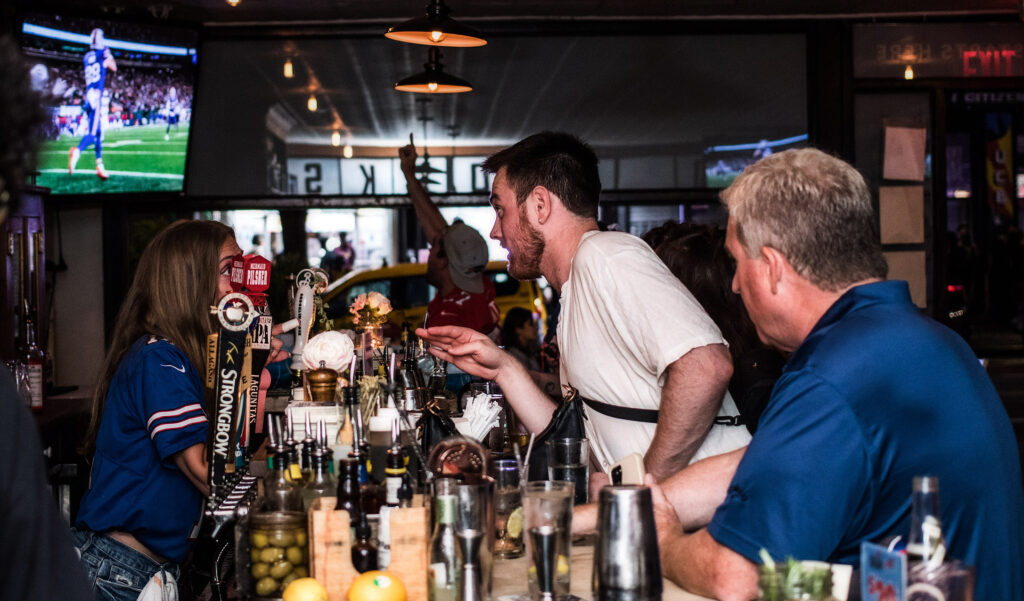
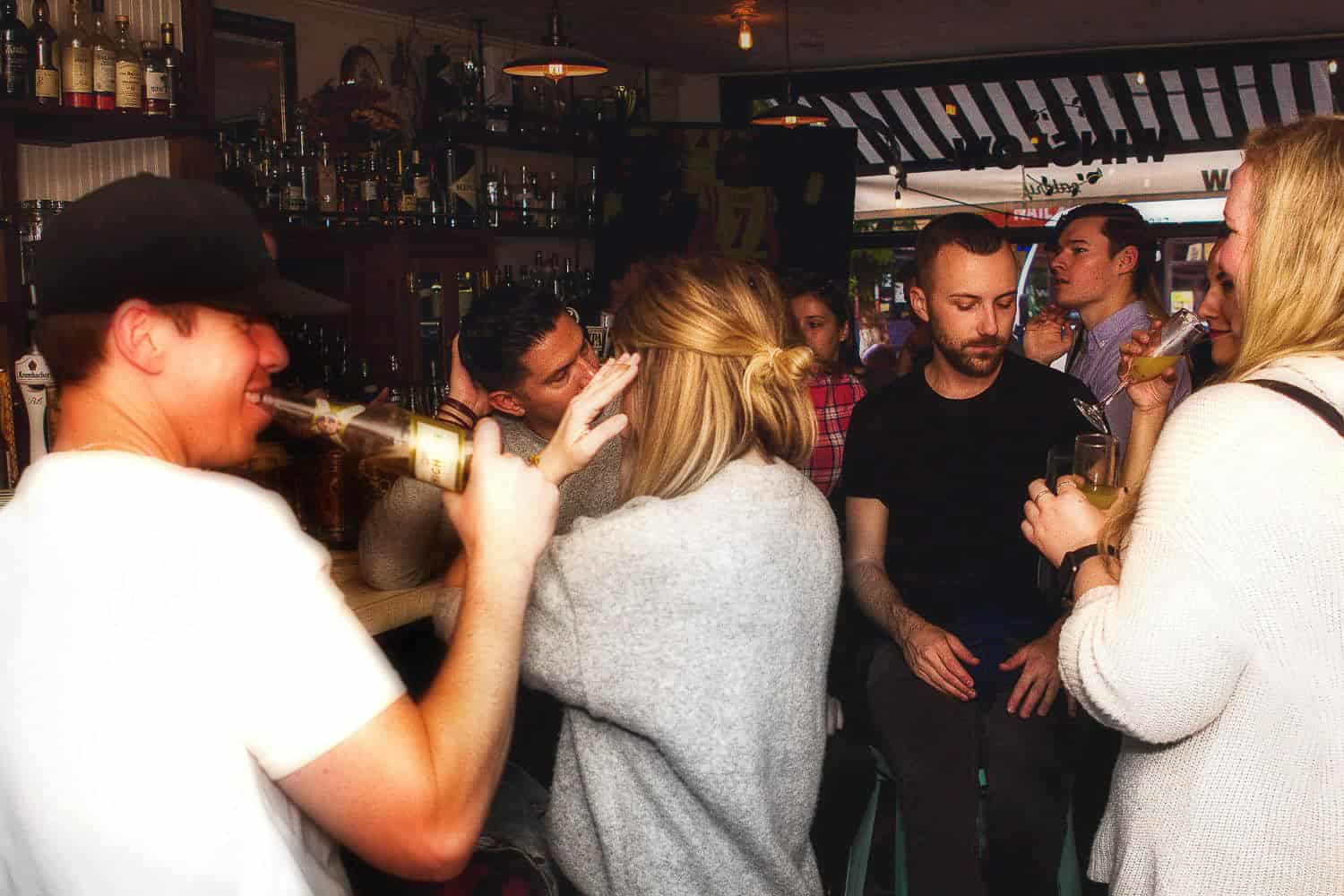
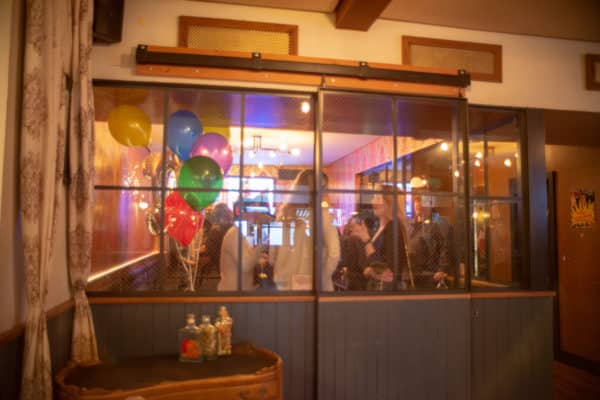
Retirement parties can easily slide into one of two extremes. They either feel stiff and ceremonial, with polite applause and forgettable appetizers, or they turn so casual that the guest of honor barely feels recognized. The sweet spot sits somewhere in https://devinjghn805.timeforchangecounselling.com/top-reasons-to-book-a-bar-with-private-room-for-small-gatherings the middle, and that is why a bar with private room often works so well. It gives a retirement celebration shape, energy, and privacy, without trapping everyone in a banquet hall that feels more like a quarterly meeting than a milestone.
A strong retirement party should reflect what retirement actually means. It marks the end of a working chapter, yes, but it also opens the door to freedom, reinvention, travel, hobbies, family time, and a different pace of life. The venue needs to support that emotional range. A private room inside a lively bar offers exactly that balance. Guests can gather in a dedicated space for speeches, videos, and toasts, then spill into a more social atmosphere once the formalities are over. It feels festive without becoming chaotic.
I have seen retirement events succeed in polished cocktail bars, neighborhood pubs, whiskey lounges, brewery taprooms, and rooftop bars with reserved lounges. The best ones all had one thing in common: the venue fit the retiree. That matters far more than chasing the trendiest address in town.
Why a private room changes the tone of the event
There is a practical reason hosts search for a bar with private room, and there is an emotional one. The practical reason is simple. You need somewhere that can hold a group, keep everyone together, and make logistics manageable. The emotional reason is more interesting. Retirement parties often bring together people from very different parts of someone’s life. Coworkers from the last five years, former colleagues, spouses, adult children, close friends, golf buddies, maybe a favorite client or mentor. If those people are scattered around a public bar, the party fragments almost immediately.
A private room gives the gathering a center of gravity. Guests know where to go, coats have a place, gifts can sit somewhere secure, and the guest of honor is not shouting over a trivia night happening six feet away. You also protect the timing of speeches and video tributes, which is a bigger issue than many hosts realize. A room that looks perfect online can become a poor choice if the main bar runs loud music or live sports during your event window.
Privacy also helps the mood. People tend to share warmer, more personal stories when they are not delivering them to a room full of strangers. That can make the evening feel less like a generic corporate function and more like a genuine sendoff.
Start with the retiree, not the menu
Hosts often begin with food packages and drink minimums. Those details matter, but the first question should be simpler: what kind of evening would actually make this person feel celebrated?
A retiring sales director who loved entertaining clients may thrive in a sleek cocktail room with a premium whiskey flight and a polished toast from the CEO. A school administrator who values warmth over flash may prefer a classic neighborhood bar with a private back room, comfort food, and a playlist built from favorite songs over the decades. A chef retiring after thirty years may appreciate a venue where the kitchen matters as much as the bar program. A union foreman who spent a career avoiding fuss might hate anything that feels too dressed up.
Retirement party planning gets easier when you choose three words that fit the person. Something like relaxed, generous, lively. Or elegant, intimate, reflective. Or cheerful, informal, nostalgic. Those words guide everything, from the kind of bar you book to the timing of speeches and the style of invitations.
I once watched a team book a high-end lounge for a retiree known for being modest and deeply uncomfortable with attention. The room was beautiful, but the mirrored walls, bottle-service energy, and velvet ropes made him visibly uneasy. Compare that with another event held in a private room at a local Irish pub for a nurse retiring after four decades. Her family filled one wall with candid photos, former coworkers wandered in all evening, and the room had enough privacy for laughter, tears, and stories that lasted well beyond the scheduled end time. It felt right because it sounded like her life.
The best bar styles for retirement parties
Not every bar with private room creates the same experience. The category is broad, and that is good news if you are willing to match venue style to guest list and personality.
A cocktail bar private room usually works well for a polished crowd, especially if the retirement follows a senior leadership role, legal career, finance background, or client-facing profession. These rooms often come with attentive service, good lighting, and a sense of occasion. The trade-off is price. Beverage minimums can climb quickly, and some cocktail bars are better for mingling than for substantial food.
A brewery or taproom private room often suits larger, more relaxed retirements. The atmosphere tends to be social and less formal, which can help mixed groups settle in quickly. It is especially strong for retirees who enjoy casual gatherings and broad age ranges among guests. The caution here is acoustics. Brewery spaces can be noisy, and some private rooms are “private” only in the sense that they are sectioned off, not fully enclosed.
A wine bar private room can be ideal for smaller, more conversational gatherings. If the retiree values close friendships and understated elegance, a wine-focused venue often supports that tone beautifully. It also tends to attract guests who are happy lingering over conversation rather than moving around constantly. The downside is that wine bars sometimes offer limited menu variety for guests who want heartier food or non-wine drink options.
A classic pub or tavern with a separate event room remains one of the most reliable choices. These venues usually understand group service, offer familiar food, and make guests of all ages comfortable. They may not photograph like a luxury lounge, but they often deliver the best overall experience because they handle real-life events well.
Rooftop bars and hotel bars can be excellent for retirees who love a city view or want an event that feels celebratory from the moment people arrive. Yet they require careful vetting. Elevators, parking, weather exposure, and steep food and beverage minimums can turn a glamorous idea into a frustrating evening.
What guests actually remember
People rarely remember the exact canapé selection. They remember whether the evening felt easy, warm, and specific to the retiree. That is the real design brief.
When I think back on the retirement parties that left an impression, the memorable moments were usually small and well judged. A favorite old fashioned served as the signature cocktail. A side table with framed photos from the first job badge to the last team award. A five-minute toast that was funny because it included one true story, not because it tried too hard. A playlist that started with songs from the year the retiree was hired, then moved into personal favorites. These details create texture.
The room should allow for three kinds of interaction. First, a shared moment where everyone focuses on the retiree. Second, casual conversation in smaller groups. Third, enough free movement that the guest of honor does not get trapped in one corner shaking hands for two straight hours. A bar with private room naturally supports that flow if the layout is right. You want some seated space, some standing room, and a clear place for speeches that does not block servers or the entrance.
Choosing the right setup inside the room
Layout can rescue an average venue or sabotage a beautiful one. This is one of the least glamorous parts of planning and one of the most important.
If the party includes speeches, avoid filling the room with only high-top tables. People balancing drinks and plates while trying to listen rarely create a good audience. At the same time, a fully seated dinner can pin people in place and make the event feel too formal for a bar setting. The strongest setups usually mix a few dining tables with standing cocktail tables and one visible focal point for remarks.
Pay attention to practical details that venue managers sometimes mention too casually. “Semi-private” might mean there is only a curtain separating your event from the main bar. “AV available” might mean there is technically a television in the room, but no straightforward way to play a tribute video from a laptop or phone. “Private bartender” might mean dedicated service, or it might simply mean one server checking in between other sections.
These are the questions worth asking before you sign anything:
- Is the room fully enclosed, and will any outside noise compete with speeches?
- What is included in the minimum spend, food, bar service, room fee, tax, and gratuity?
- Can the venue handle a slideshow, video tribute, or microphone without last-minute improvising?
- How long do you have the room, including setup and cleanup time?
- Is the space comfortable for older guests in terms of seating, stairs, lighting, and restroom access?
That short list saves a surprising number of headaches. The room that costs slightly more but includes reliable AV, flexible furniture, and easy access often turns out to be the better value.
Food and drink that fit the occasion
Retirement parties at bars work best when the menu feels generous and effortless. This is not usually the place for an ambitious, overly fussy plated meal, unless the venue specializes in private dining and the guest list expects something formal. More often, the goal is to keep people comfortable and social.
For evening events, substantial passed appetizers paired with one or two food stations often beat a formal sit-down service. Guests can arrive over a broader window, mingle naturally, and avoid the stop-start rhythm that sometimes drains the energy from a celebration. Sliders, flatbreads, skewers, hearty vegetarian options, and a carved item or hot buffet station tend to satisfy a mixed group better than tiny bites alone. If the party overlaps with dinner hours, underfeeding people is the fastest path to disappointment.
Drink planning deserves equal care. An open premium bar sounds generous, but it is not always necessary. Many successful retirement parties use beer, wine, and two signature cocktails, with a hosted tab for a set period. That keeps costs predictable while still feeling hospitable. If the retiree is known for a specific drink, feature it. One retirement gathering I attended offered a “final punch-out,” a simple bourbon cocktail named after the guest of honor’s last day on the job. People loved it because it was personal, not gimmicky.
Nonalcoholic options should be treated with respect, not as an afterthought. Good sparkling water, a zero-proof cocktail, iced tea, and coffee service go a long way, especially for mixed-age groups and weekday events. Retirement parties often include guests driving home after one drink, guests who no longer drink at all, and guests who simply want a slower pace.
Ideas that make the event feel personal, not generic
Personalization works best when it is woven into the evening instead of piled on top of it. You do not need props everywhere. You need a few details that reveal the person behind the retirement milestone.
A memory wall can work well in a private room if it is restrained. A dozen meaningful photos usually land better than a crowded collage no one can absorb. If the retiree spent thirty years in one field, consider displaying old name badges, a first business card, a company newsletter clipping, or a framed note from a mentor. Those pieces spark conversation far better than generic party decor.
Music is another useful tool. In a public bar, you often cannot control the soundtrack. In a bar with private room, you may be able to bring a playlist or at least influence the vibe. Keep the volume low enough for conversation, then raise it after speeches if the crowd leans lively. The room should feel alive, not punishing.
A guest book can be more meaningful if you frame it as advice for retirement, favorite memories, or guesses about what the retiree will do first. Open-ended prompts tend to generate warmer messages than a blank page. For someone retiring from a long public-facing career, a video message station can also work, but only if the room is quiet enough and someone manages it. Otherwise, it becomes one more forgotten idea on a side table.
If the retiree dislikes being the center of attention, adjust the structure. Instead of a formal roast or long speech block, consider short remarks from two carefully chosen people, with more emphasis on mingling and informal storytelling. Retirement should feel like recognition, not an ambush.
Budget choices that actually matter
A private room at a bar can be cost-effective compared with standalone event venues, but only if you understand how pricing works. Some spaces have no room fee but require a minimum spend. Others charge both. Some include basic linens, glassware, and staffing. Others add service charges that push the total higher than you expected.
There are a few places where spending more tends to pay off. Extra hour of room access, better sound support, enough food, and comfortable seating all improve the guest experience. By contrast, people often overspend on decorative extras that the room does not need. A bar already comes with atmosphere. Good lighting, polished service, and a room full of people who care about the retiree do most of the work.
Guest count accuracy matters too. Retirement parties can be tricky because invitees may include current coworkers, former teammates, family, and friends, with attendance patterns that vary by day of the week. Weeknight events often get stronger turnout from colleagues and lighter turnout from friends outside work. Weekend events can broaden attendance but raise venue costs. If you are trying to keep spending under control, a Thursday evening private room event with a focused guest list often provides the best balance.
Timing the evening so it never drags
The ideal retirement party in a bar setting usually runs between two and four hours. Longer than that, and energy starts to thin unless the gathering naturally evolves into a late-night social scene. Shorter than that can feel rushed, especially if there are speeches or a tribute.
A simple flow tends to work well. Guests arrive and order drinks. Food begins early enough that no one is waiting too long. About forty-five minutes in, you gather everyone for remarks while attention is still high. Then the evening opens back up into conversation, maybe a slideshow on a loop, maybe dessert and coffee toward the end. If the retiree enjoys dancing or a more spirited sendoff, choose a venue where the private room can connect smoothly to the main bar atmosphere after the formal portion ends.
One common mistake is scheduling speeches too late. Once people have dispersed into side conversations, pulling them back together is hard. Another is front-loading too much structure. No one wants to sit through six speakers when what they really came for was to thank someone, share a story, and celebrate.
Making different generations feel comfortable
Retirement parties often span ages from twenties to seventies or beyond. That affects venue choice more than hosts sometimes expect. Trendy basement bars with dim stairs and backless stools may appeal to younger coworkers but frustrate older relatives. Sports bars with wall-to-wall televisions can distract from heartfelt moments. Very loud music can shut down conversation for everyone, not just older guests.
The best private room venues for retirement parties hit a middle ground. They feel current without being alienating. They offer real chairs, not just bar stools. Restrooms are close and easy to reach. Parking or rideshare access is straightforward. The menu has enough range that both the adventurous eater and the person who just wants a reliable chicken dish leave happy.
That level of comfort is not boring. It is considerate. And guests notice.
Small touches that smooth the night
Hosts tend to focus on the visible parts of the event, but the smoothness often comes from little operational choices. Assign one person to coordinate with the venue manager. Put gifts in a designated area. Ask the bar staff where coats can go. Confirm whether there is a cake fee if you bring dessert from outside. Check if candles are allowed. If colleagues are contributing stories for a tribute, make sure someone edits them down before the night arrives.
The strongest retirement parties feel relaxed because someone handled the details before guests ever walked in. That does not mean the evening should feel overproduced. It just means that when the retiree stands up to speak, the microphone works, the room is listening, the drink in their hand is something they actually like, and the people around them can focus on the moment instead of the logistics.
When a bar with private room is the perfect fit
Not every retirement party belongs in a bar. If the retiree wants a daytime luncheon with grandchildren present, a restaurant private dining room may be better. If the company culture is deeply formal, a club or dedicated event space might match expectations more closely. But for many retirements, especially those that mix professional respect with personal warmth, a bar with private room offers the ideal setting.
It gives structure without stiffness. Celebration without chaos. Privacy for the meaningful parts, and atmosphere for the social ones. Most of all, it lets the event feel like a real goodbye to working life and a genuine hello to whatever comes next.
That is what people carry home from a retirement party. Not whether the napkins matched the flowers, but whether the room felt full of the right people, the stories rang true, and the person at the center of it all looked around and felt seen.
The Winslow
Address: 243 E 14th St, New York, NY 10003
Phone number: +12127777717
FAQ About Bar With Private Room
Which bars in NYC offer private rooms?
Many bars in New York City offer private and semi-private rooms for parties and events, ranging from hidden basement speakeasies to upscale lounge spaces. Top options include The Back Room on the Lower East Side, Dear Irving Gramercy, Pebble Bar in Midtown, Mister Paradise in the East Village, and The Winslow in the East Village.
What is a private room in a pub called?
A small, private seating area or partitioned booth in a traditional pub is most commonly called a snug. Larger private rooms used for events, parties, or dining are typically referred to as private dining rooms, function rooms, or back rooms.
How much does a 2 hour open bar cost?
A 2-hour open bar generally costs between $15 and $45 per person, depending heavily on the quality of alcohol you choose. For a standard group of 100 guests, this translates to an overall cost of $1,500 to $4,500 before taxes, setups, and staff gratuities.