Drunken Noodle Near Me: Where Great Noodles Meet Great Sauce
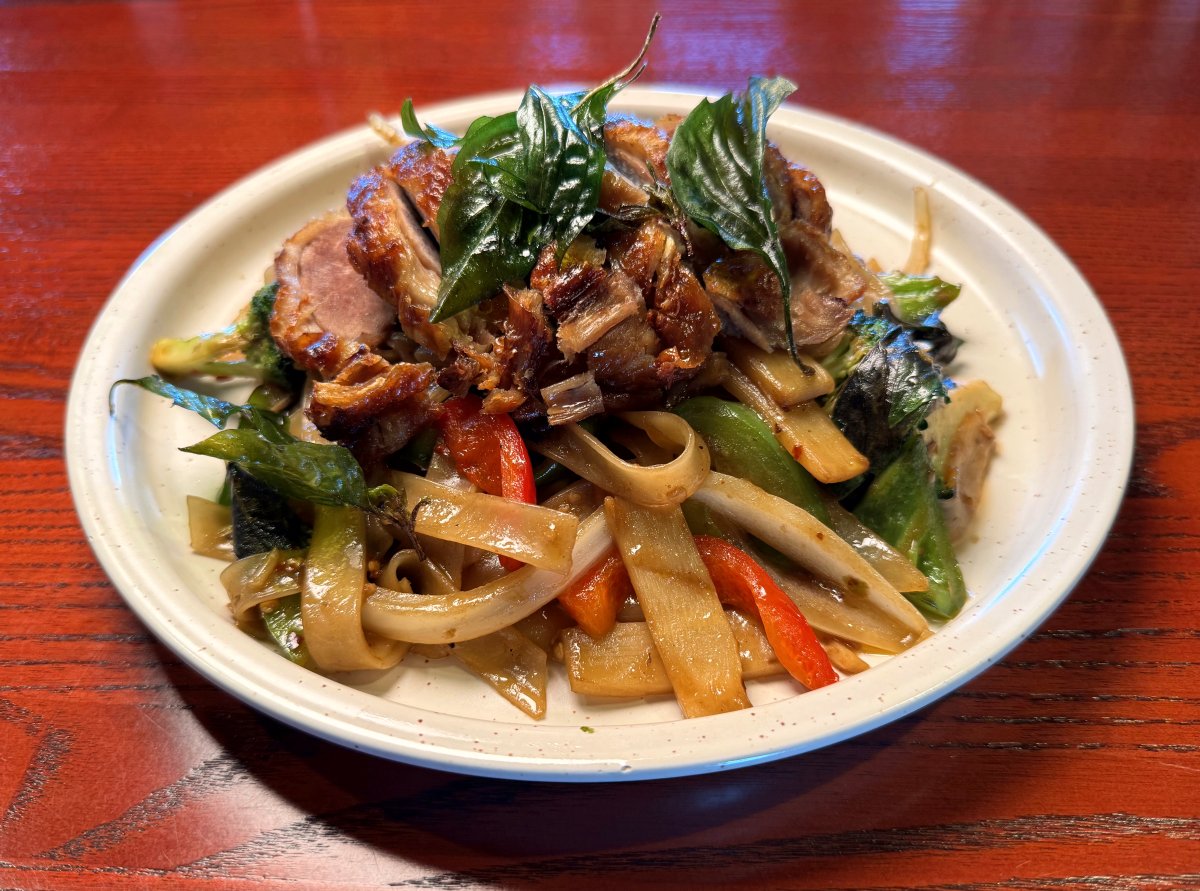

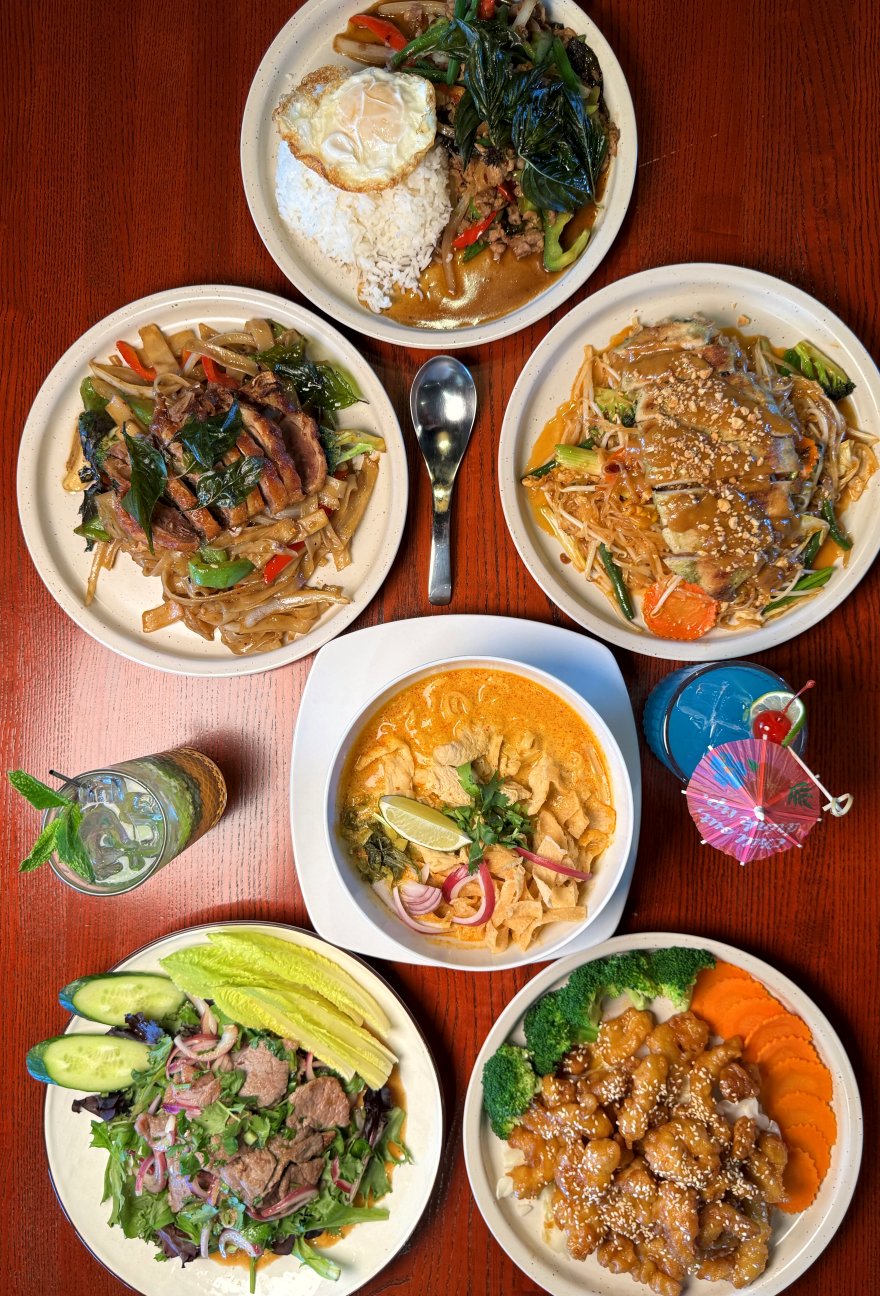
A search for Drunken Noodles Near Me usually starts with urgency. You want something hot, savory, a little sweet, a little smoky, and built around noodles that actually hold onto sauce instead of letting it pool at the bottom of the box. That craving is specific. It is not just a generic Thai takeout mood. It is the need for wide rice noodles slicked with soy, garlic, basil, chilies, and enough wok heat to leave a charred edge on the whole dish.
When drunken noodle is done well, it is one of the most satisfying noodle plates you can order. It lands with heft but not heaviness. The sauce tastes deep rather than salty. The vegetables still have life. The protein feels integrated instead of scattered on top. Every forkful gives you chew, heat, sweetness, and aromatic lift from basil. The problem is that the gap between average and excellent is wide. Plenty of restaurants serve something called Drunken Noodle, but not all of them understand the balance that makes it memorable.
If you are trying to decide where to order or where to sit down for a plate nearby, it helps to know what you are actually looking for. Great noodles matter, but great sauce is what turns the dish from decent to addictive.
What drunken noodle is supposed to taste like
Drunken noodle, often known on Thai menus as pad kee mao, is not subtle. It is bold by design. Wide rice noodles are stir-fried over high heat with garlic, chili, soy-based seasonings, vegetables, and Thai basil. Depending on the kitchen, you might get broccoli, bell peppers, onions, baby corn, carrots, or green beans. Protein choices usually include chicken, beef, pork, shrimp, tofu, or a combination.
The sauce is where the dish earns its reputation. A proper version should hit several notes at once. Salt comes from soy-based seasonings and other savory components. Sweetness is present, but restrained. Heat should build rather than assault. The basil adds freshness, almost a peppery anise note that lifts what could otherwise become a very dark, dense plate. If the wok station is skilled, there is also a smoky edge, the kind of flavor you cannot fake with bottled sauce.
That complexity is why the best drunken noodle stands apart from simpler stir-fried noodle dishes. Pad see ew may also use wide rice noodles, but it tends to be softer and sweeter. Lo mein has its own comfort, but the sauce profile is entirely different. Drunken noodle is more aggressive, more aromatic, and more dependent on timing. A few seconds too long in the wok and the noodles turn gummy. Too much sauce and everything tastes muddy. Not enough basil and the dish falls flat.
Why sauce decides whether the plate works
People often talk about noodles first, because texture is obvious. You notice overcooked noodles immediately. Sauce quality takes a more experienced palate to read, but it is what separates a plate you finish from one you remember next week.
A strong drunken noodle sauce should coat, not drown. That sounds simple, but it tells you a lot about the kitchen. Coating means the cook has measured heat, moisture, and timing correctly. Wide rice noodles are delicate. They break if handled roughly and clump if they sit too long. To get sauce evenly across the noodles without turning them into paste, the wok has to be hot and the cook has to move quickly.
A good sauce also tastes layered. The first impression may be savory and slightly sweet, but then the garlic should come through, followed by chili and basil. If all you get is sodium, the balance is off. If it tastes sugary, the kitchen may be compensating for weak savory depth. If there is plenty of spice but no aroma, the basil https://www.google.com/maps?cid=10337779433515689724 may have been added too early or in too small a quantity.
I have had outstanding drunken noodles in small strip-mall restaurants where the dining room was forgettable but the wok station was precise. I have also had expensive versions in polished spaces that looked beautiful and tasted flat. The difference almost always came back to sauce. The best cooks understand that sauce is not just a liquid ingredient. It is the architecture of the entire dish.
The noodle texture that supports the sauce
Even the best sauce cannot rescue noodles that are mishandled. Wide rice noodles have a narrow window between supple and sticky. Fresh noodles are ideal, but many kitchens outside major metro areas rely on packaged or refrigerated versions, which can still work if they are separated properly and cooked fast.
What you want is chew with flexibility. The noodles should fold around the fork or chopsticks without tearing apart. They should not be slippery in a lifeless way. They should not sit in one compressed clump, either. Each strand or ribbon should carry some sauce and remain distinct enough that the plate has movement.
There is also a visual cue that regular diners learn to trust. Great drunken noodle has a glossy finish, not a wet one. Gloss means the sauce reduced and bonded with the starch on the noodle surface. Wetness means the sauce never really came together. That usually translates to bland bites followed by salty puddles near the end of the meal.
Wok hei, the restaurant advantage you can taste
Home cooks can make a strong version of drunken noodle, especially with a cast-iron skillet or carbon steel pan, but a restaurant with a proper wok burner has an advantage. High heat gives the dish what many diners describe as smoky flavor, though smoke is only part of it. There is a subtle bitterness, a toastiness, and a quick sear on the noodles and vegetables that builds complexity.
This matters more than people realize. Without high heat, drunken noodle can taste merely saucy. With high heat, it develops contrast. The basil smells brighter, the garlic hits harder, and the savory notes deepen. If you have ever opened a takeout container and smelled something almost charred, in a good way, that is exactly what you want.
Not every local Thai place has the same wok setup or the same cook on every shift. That is why one order can be exceptional and the next just fine. If you are evaluating a spot after searching Drunken Noodles Near Me, consistency matters almost as much as peak quality. A restaurant that delivers an eight out of ten every time is often a better neighborhood choice than one that swings between six and nine.
How to tell if a nearby spot is serious about drunken noodle
You do not need insider access to spot the good candidates. Menus, reviews, and a few ordering details can tell you quite a bit before you spend money.
Here are the clearest signs a restaurant is likely to make a strong plate:
- The menu names the dish as drunken noodle or pad kee mao, not just spicy noodles.
- Reviews mention basil, wok flavor, or balanced sauce, rather than only portion size.
- The restaurant offers meaningful spice levels and seems comfortable with heat.
- Menu photos, if they exist, show wide noodles with visible vegetables and basil, not a dark, soupy pile.
- The Thai section of the menu looks focused rather than inflated with every pan-Asian dish imaginable.
None of these signals is perfect. Some excellent places have chaotic menus because they are feeding a broad neighborhood. Some bland places photograph beautifully. Still, taken together, these clues help you sort likely winners from generic takeout operations.
The role of basil, and why its absence is a red flag
One of the easiest ways to identify a weak drunken noodle is to look for basil and then taste for it. It should be present in both aroma and finish. Basil is not garnish here. It is one of the structural flavors of the dish.
Thai basil is ideal because it stands up to heat and contributes a firmer, spicier fragrance than sweet Italian basil. Some restaurants substitute based on supply, and in many markets that is understandable. The problem comes when basil is treated as optional. Without it, the dish loses its lift. You are left with soy, chili, and noodles, which can still be edible, but no longer distinctive.
This is especially important for takeout. Heat and steam inside a closed container dull aromas quickly. A restaurant that uses enough basil and adds it at the right moment gives the dish a better chance of surviving the trip home.
Spice level is not a stunt, it is part of the balance
People often order drunken noodle for the heat, but the spice should support the sauce rather than dominate it. Too little chili and the dish tastes sleepy. Too much and every other flavor disappears. The best kitchens understand this and ask smart questions when you order.
If you enjoy heat but still want to taste the sauce, medium to medium-hot is usually the sweet spot at a new restaurant. Going straight to the highest level can be fun if you know the kitchen, but it can also flatten the experience. Some places use fresh chilies, some use dried, some combine chili paste with fresh slices. Each method lands differently. There is no universal scale.
A professional kitchen that takes drunken noodle seriously will usually welcome a brief preference note, especially if you keep it specific. Saying you want it spicy but balanced is more useful than saying make it authentic, which can mean ten different things depending on the cook and region.
Protein choices, and which ones actually work best
Drunken noodle is forgiving, but not every protein performs equally well in the wok. Chicken is common because it absorbs sauce and stays affordable. Beef can be excellent if sliced thin and cooked fast, though it can toughen if the wok station is distracted. Shrimp adds sweetness and texture, but only when not overcooked. Tofu works beautifully in a sauce-forward version, especially when the outside is properly seared.
Pork is often underrated here. It brings richness without taking over, and it pairs naturally with basil and chili. Mixed seafood versions can be good, but they demand precision. In average takeout kitchens, that often means one component turns rubbery while another remains fine.
My own rule is simple. If I am trying a new place based on a Drunken Noodles Near Me search, I order either chicken or tofu first. Both give the kitchen less room to hide behind expensive ingredients. If the sauce is excellent, those proteins will still shine. If the sauce is weak, no amount of shrimp will save the dish.
Dine-in versus delivery, and why the difference matters
Drunken noodle is one of those dishes that can travel reasonably well, but only within limits. Fresh from the wok, it has texture contrast and vivid aroma. Twenty minutes later, steam has softened the vegetables, the noodles have tightened or clumped, and the basil has lost some of its brightness. Good restaurants can minimize that with smart packing, but physics still wins.
If the restaurant is nearby and you really care about quality, dine in or pick up and eat immediately. Delivery is best reserved for spots that you already trust. Some sauces are slightly looser in-house because the cook knows the noodles will continue absorbing moisture in transit. Others are packed too tightly, which leaves you with compressed noodles that need to be pried apart.
That does not mean delivery drunken noodle cannot be excellent. It can. But if you are testing a new restaurant, the fairest first impression comes from eating it as close to the wok as possible.
Smart modifications that improve the dish, not fight it
Not every customization helps. Some requests distort the balance that makes drunken noodle work in the first place. Others are worth making, especially if you understand what they do.
The most useful modifications are usually these:
- Ask for extra basil if the restaurant tends to cook mildly aromatic versions.
- Request vegetables cooked just a touch firmer if you are eating on a delay.
- Choose a moderate spice level on a first order, then adjust next time.
- Ask for sauce well-coated rather than extra sauce if dryness has been a problem.
- Order a fried egg on top, if the restaurant offers it, for richness and texture.
Notice what is missing from that list. Extra sweetness, extra soy, and extra oil rarely improve the dish. They usually amplify one dimension and blur the rest. Drunken noodle works because several elements pull against each other. When one gets pushed too far, the whole plate loses shape.
Regional variation and menu translation can be confusing
Part of the challenge in finding a reliable local version is that drunken noodle is not always translated or executed the same way. Some restaurants lean sweeter because that matches neighborhood expectations. Some increase vegetable volume for value. Some use thicker noodles. Others keep the dish drier and hotter.
Even the name can create confusion. Diners sometimes expect alcohol in the sauce, which is not generally the point. More often, the name refers to the bold, spicy character of the dish and the sort of food you might crave after a long night. Menus that label it only as spicy noodles may still produce an excellent plate, but I usually look for places that acknowledge the traditional identity somehow. It suggests a stronger connection to the original dish.
This is where repeat ordering teaches more than a single review ever can. A nearby restaurant may not make the most textbook version, but if the noodles are well handled, the sauce is balanced, and the basil is real, it can still become your go-to.
Price, portion size, and what value actually looks like
Drunken noodle usually sits in the middle of a Thai menu in terms of price. In many areas, especially after rising ingredient and labor costs, you can expect a wide range depending on city, portion, and protein. What matters is not just the number on the menu. It is whether the restaurant gives you a dish with integrity.
A cheap, oversized portion that turns gummy halfway through is not good value. A slightly smaller plate with better noodle texture, fresher basil, and a cleaner sauce often is. This dish is starch-heavy by nature, so sheer volume is easy to fake. Flavor is harder.
When I am deciding whether a place deserves repeat business, I ask a few practical questions. Did the protein feel like part of the dish rather than decoration? Were the vegetables still identifiable? Did the sauce taste intentional? Could I eat half the plate without palate fatigue? If the answer is yes, the restaurant is probably worth the extra couple of dollars.
What separates a neighborhood favorite from a one-time order
After enough takeout and enough restaurant meals, patterns emerge. The best local drunken noodle spots do not always have the sleekest branding or the longest review history. They earn loyalty through execution. They send out noodles that stay supple. Their sauce tastes built, not poured. They know when to let chili speak and when to pull it back. They understand that basil is not an afterthought.
A neighborhood favorite also tends to handle edge cases well. Lunch rush does not ruin the dish. Extra spice does not make it inedible. Tofu still has texture. Delivery still resembles dinner rather than leftovers. Those details are not glamorous, but they are what make a restaurant dependable.
There is also something deeply satisfying about finding a place that gets this dish right. Once you do, the search term Drunken Noodles Near Me becomes less of a gamble and more of a shortcut to a known pleasure. You know what you are ordering. You know how the sauce lands. You know whether the noodles arrive glossy, smoky, and tangled with basil.
That kind of certainty is valuable. Good noodle dishes live on a knife edge between comfort and disappointment. Drunken noodle, more than most, rewards kitchens that respect timing and balance. When those elements come together, you get more than takeout. You get a plate that feels composed, vivid, and worth chasing again.
And that is the real answer to the search. The best drunken noodle nearby is not simply the closest place that offers it. It is the restaurant where the noodles carry the sauce, the sauce carries the dish, and every bite tastes like the wok knew exactly what it was doing.
Nakhon Luang Thai Kitchen
Address: 805 Village Center Dr, Colorado Springs, CO 80919
Phone number: +17195315175
FAQ About Drunken Noodles Near Me
What makes it drunken noodles?
Drunken noodles, or Pad Kee Mao, get their name from the Thai word khi mao (meaning "drunkard"). They contain no alcohol. The name comes from the idea that the dish is a popular late-night meal to cure a hangover or a great food to eat with a cold beer.
What is the difference between pad see ew and drunken noodles?
While both Pad See Ew and Drunken Noodles use the same wide rice noodles, Pad See Ew is a mild, sweet-savory dish made with dark soy sauce and Chinese broccoli, whereas Drunken Noodles (Pad Kee Mao) are fiery, garlicky, and herbaceous with fresh chilies and Thai basil.
What are traditional drunken noodles?
Traditional drunken noodles, known as Pad Kee Mao in Thai, are a fiery, savory street food stir-fry made with wide flat rice noodles, fresh garlic, lots of hot chilies, meat or tofu, and fragrant holy basil. Despite the name, they contain no alcohol; the dish is traditionally eaten late at night or as a hangover cure because the intense spice helps clear the head.