What to Expect When Dining at a Southern Restaurant in Pittsburgh, PA
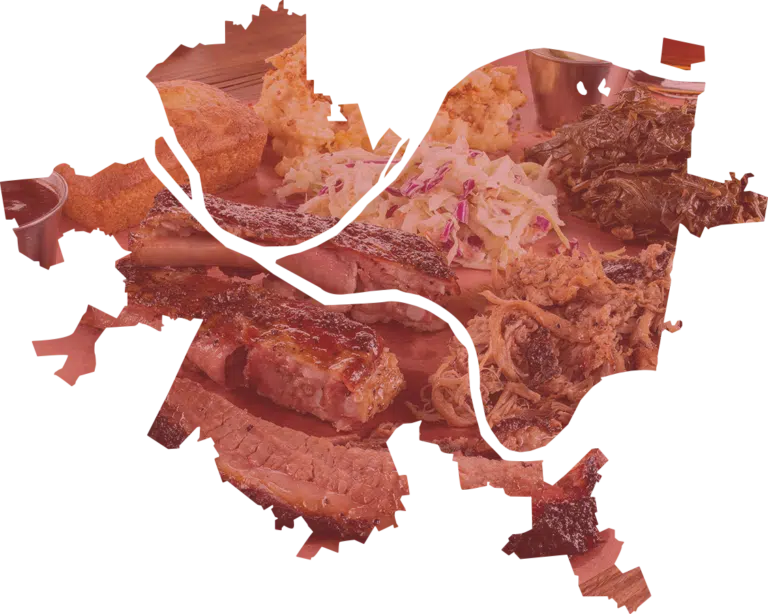

Pittsburgh is not the first city many people name when they think about Southern food. They think of Charleston, Nashville, Birmingham, New Orleans, maybe Atlanta or Memphis. Even so, a good Southern restaurant in Pittsburgh, PA can deliver a deeply satisfying meal, and often with its own local character. That last part matters. The best Southern spots here are not trying to stage a museum piece. They bring Southern technique, hospitality, and flavor into a Western Pennsylvania setting, where diners know comfort food, care about portion size, and have strong opinions about what counts as worth the check.
If you are planning a visit, it helps to know what kind of experience Southern dining usually aims to create. This is food built on patience, seasoning, texture, and warmth. It is also food that can disappoint quickly when corners get cut. Dry fried chicken, bland greens, gummy mac and cheese, cornbread that tastes like cake when it should not, or barbecue drowned in sauce to hide weak smoking, those are common failures. When a kitchen gets it right, though, Southern food feels generous without becoming sloppy. It can be rich, but not heavy-handed. Familiar, but not dull. Casual, but still exacting.
Dining at a Southern restaurant in Pittsburgh, PA usually sits somewhere between neighborhood comfort and special-occasion indulgence. You might walk into a room filled with the smell of frying chicken, warm spices, smoked meat, butter, and fresh biscuits. You may hear soul, blues, classic R&B, or a low, easy playlist meant to keep the room lively without making people rush. Service often aims for friendliness over formality. That does not mean careless. In a strong restaurant, staff know the menu well, can explain the differences between sides, and will tell you honestly if a dish runs sweet, spicy, smoky, or especially rich.
The room should feel welcoming, not theatrical
A Southern restaurant does not need mason jars, reclaimed barn wood, and a chalkboard covered in clichés to feel authentic. In fact, the more a place leans on costume, the more cautious I tend to get. Good Southern hospitality shows up less in decor than in pacing and attentiveness. You notice it when a host greets you without sounding scripted, when a server makes eye contact and knows the menu, when water glasses get refilled before you have to flag anyone down, and when the kitchen sends out hot food hot.
In Pittsburgh, restaurants often occupy older buildings with narrow footprints, exposed brick, and dining rooms that fill up quickly. That can work beautifully for Southern food because intimacy suits it. This is not cuisine that demands hushed silence. It thrives in a room with a little conversation, the clink of glasses, and the occasional “you need to try this” from one end of the table to the other.
Expect a laid-back atmosphere, but not always a quiet one. Weekend brunches can get loud. Fried chicken and waffles, shrimp and grits, and biscuit sandwiches draw crowds in almost any city, and Pittsburgh is no exception. Dinner service tends to be steadier, especially on weekdays. If you want to taste carefully and talk through the menu, a weeknight reservation often gives you the best shot.
The menu will probably balance staples with house signatures
Most Southern menus in Pittsburgh anchor themselves around a core set of recognizable dishes. Fried chicken almost https://marioavpz851.juniperbrief.com/posts/the-ultimate-food-lover-s-guide-to-southern-restaurant-pittsburgh-pa always appears, and it should. It is one of the clearest tests of a kitchen’s skill. Done right, the crust shatters without turning greasy, the seasoning reaches beyond the surface, and the meat stays juicy all the way to the bone. If a restaurant offers different cuts, ask which the kitchen handles best. Some do a superb bone-in half chicken. Others are more consistent with tenders or boneless sandwiches because service moves faster that way.
Shrimp and grits is another standard. This dish tells you a lot about a restaurant’s judgment. Grits should be creamy and full-flavored, not merely a soft base under a spicy topping. Shrimp should be cooked just through, not rubbery. The sauce, whether it leans smoky from tasso, rich from butter, or bright from tomatoes and scallions, has to support both. Too often, one element dominates and the plate loses balance.
You will likely see some version of barbecue, though the style may vary. In a city like Pittsburgh, many Southern restaurants are broad in scope rather than tightly regional, so you may find pulled pork next to catfish, biscuits, and Cajun-influenced items on the same menu. That is not automatically a problem. Southern food has always traveled, adapted, and absorbed influences. What matters is whether the restaurant executes each dish with discipline.
A strong menu often includes a few house signatures that make the place memorable. Maybe the kitchen serves hot honey over fried chicken, folds pimento cheese into a burger, cures its own pickles, or offers cornbread with whipped sorghum butter instead of plain pats on the side. Small touches like these often separate a merely decent Southern restaurant from one people return to.
Side dishes are not filler, they are the real measure
If you want to know whether a Southern kitchen is serious, look at the sides. Anybody can center a plate around protein and call it a day. Southern cooking has always asked more from the supporting cast. Greens, beans, rice, slaw, mac and cheese, yams, black-eyed peas, potato salad, okra, and cornbread all carry cultural and culinary weight. They should never taste like afterthoughts.
Collard greens, for example, need depth. That may come from smoked meat, onions, stock, pepper vinegar, or long, patient cooking. They should taste seasoned and softened, but not lifeless. Mac and cheese should have structure. Some diners want the creamy stovetop style, others want a baked casserole with browned edges, and both can be good. What should not happen is a bland bowl of overcooked pasta swimming in thin cheese sauce.
Cornbread is another dividing line. In some restaurants it arrives sweet and cake-like, more dessert than bread. In others it is savory, crumbly, and built to pair with butter, greens, or barbecue juices. Neither approach is universal, and regional preferences run deep, so this is one case where asking helps. If you care strongly about your cornbread, ask your server whether it skews sweet or not. That thirty-second conversation can save disappointment.
A lot of Pittsburgh diners appreciate hearty sides, so portions at a Southern restaurant in Pittsburgh, PA often lean generous. That can be a pleasure if you are sharing. It can also lead to over-ordering, especially when biscuits or starters hit the table first. I have seen tables fill up on fried green tomatoes and pimento cheese, only to realize too late that they still had mains plus three family-style sides coming. Southern food rewards a little restraint up front.
Expect comfort, but not sameness
People often flatten Southern food into one idea: rich, fried, and heavy. That is only part of the story. Yes, you may find crispy chicken, creamy grits, buttery biscuits, and banana pudding. You may also find bright pickled vegetables, vinegary slaws, grilled fish, field peas, stewed tomatoes, fresh herbs, and sauces with acid and heat that keep the meal from dragging.
The better restaurants know how to create relief. If every dish lands as deep brown, salty, and soft, fatigue sets in fast. You want contrast. Crunch beside creaminess. Smoke beside sweetness. Heat beside tang. A plate of catfish with crisp crust, sharp remoulade, and a cool slaw tells a more interesting story than a plate where every bite hits the same note.
This matters even more if you are dining in a group. Southern food is naturally shareable. People pass biscuits, compare sides, steal bites of dessert, and negotiate over the last piece of chicken. A thoughtful restaurant builds a menu that supports that style of eating, with enough variation for the table to stay engaged. One person might want a rich short rib entree, another might want a po' boy, another a plate of smoked wings and two sides. If the kitchen has range, nobody feels trapped in one flavor lane.
Brunch can be a different experience from dinner
Many Southern restaurants in Pittsburgh do brisk brunch business, and brunch menus often shape people’s first impressions. That is not always fair to the restaurant. Brunch is a pressure cooker. Tickets stack up quickly. Tables turn slower than owners hope. Guests arrive hungry, caffeinated, and occasionally impatient. A dish that sings at dinner can get lost under brunch volume.
If you go at brunch, expect a menu tilted toward crowd-pleasers. Chicken and waffles, biscuits and gravy, shrimp and grits, French toast with praline or fruit toppings, and breakfast potatoes are common. These dishes can be excellent, but they tend to run richer and sweeter than dinner food. If that sounds like too much at 11 a.m., look for options with eggs, greens, or smoked proteins to create some balance.
Service at brunch also has a different rhythm. Coffee refills, cocktails, and larger parties all complicate timing. A polished restaurant manages this well, but you should still expect more energy and a touch less intimacy than at dinner. If it is your first visit and you want the clearest read on the kitchen, dinner usually tells you more.
Ask questions, especially if you have preferences
Southern menus often look familiar on paper, but details matter. One shrimp and grits is not another. One fried chicken plate may come with mild seasoning and a peppery crust, another with chili heat and honey glaze. Some kitchens use pork in vegetables or beans that appear meatless at first glance. Others cook with more sweetness than you may expect.
A few questions can improve the meal considerably:
- Is the cornbread sweet or savory?
- Are the greens cooked with pork?
- Which side dish is the house specialty tonight?
- Does the fried chicken come spicy, or can heat be adjusted?
- Is the barbecue smoked in-house?
That is not nitpicking. It is practical dining. Good servers appreciate specific, informed questions because they lead to fewer surprises and better choices. And if a restaurant answers vaguely, that tells you something too.
The seasoning should be confident
One of the easiest ways to spot a weak Southern kitchen is timid seasoning. This cuisine depends on assertive flavor, not blunt force, but confidence matters. Salt has to be present. Pepper has to matter. Acid needs to wake up rich dishes. Spice, whether from cayenne, hot sauce, Creole blends, or pepper vinegar, should feel intentional.
This does not mean every dish has to be fiery. In fact, excessive heat can flatten Southern food just as quickly as blandness can. The best meals build flavor in layers. You taste smoke in the meat, a little tang in the slaw, richness in the gravy, herbal freshness in the garnish, and maybe a quiet burn at the back of the throat after a few bites. Nothing shouts, but everything speaks.
Pittsburgh diners can be adventurous, but restaurants here also serve broad audiences, so menus sometimes moderate spice levels. That is understandable from a business standpoint. If you prefer more heat, ask whether hot sauce is house-made or whether the kitchen can push the seasoning a little on certain dishes. Many can, especially during slower services.
Portions are often generous, but value is more complicated than size
Southern food has a reputation for abundance, and most restaurants lean into it. A plate might arrive with a large cut of chicken, two substantial sides, and bread. That looks like value, and sometimes it is. But generosity on the plate only matters if quality holds up. A mountain of mediocre mac and cheese is still mediocre mac and cheese.
In Pittsburgh, diners tend to notice price-to-portion ratio closely, especially outside luxury dining. Southern restaurants succeed when they pair generous portions with craftsmanship. If prices run higher than expected, I look for signs that justify it: careful sourcing, strong execution, made-from-scratch sides, real smoking or frying technique, good service, and a room that feels cared for. If the meal tastes like a chain version dressed up with trendier plating, people notice quickly.
This is especially true with appetizers and desserts. A basket of biscuits may seem expensive until you realize they were baked fresh, served hot, and come with a house butter or jam worth remembering. On the other hand, a dry slice of pie or pudding scooped from a hotel pan can undermine the whole meal.
Dessert is often where the restaurant reveals its confidence
A lot of Southern restaurants treat dessert as a victory lap. After a salty, savory meal, a good sweet finish rounds things out without knocking you flat. Banana pudding, peach cobbler, bread pudding, pecan pie, chess pie, hummingbird cake, and bourbon-laced sweets all show up regularly, though not every restaurant nails them.
Banana pudding seems simple until you eat one that is too stiff, too sugary, or loaded with artificial banana flavor. The best versions taste fresh, cool, and lightly nostalgic rather than cloying. Cobbler should have real fruit character, not just syrupy filling under a heavy cap. Bread pudding benefits from restraint as well. You want custard and warmth, not a brick soaked in sweetness.
If the restaurant has a pastry program or a cook who clearly cares about dessert, order one. Southern meals often benefit from sharing a single sweet at the table. It gives everyone a final taste without tipping the evening into excess.
Hospitality should feel personal, not performative
Southern hospitality is one of the most overused phrases in American dining, and one of the most misunderstood. It does not mean forced familiarity or a server who calls everyone “hon” while forgetting half the table’s order. It means attentiveness, ease, and a sense that the restaurant wants you to have a good time without making a spectacle of service.
At a strong Southern restaurant in Pittsburgh, PA, hospitality often shows up in modest ways. A server warns you that the kitchen is running a bit behind and brings biscuits to bridge the gap. Someone notices a draft near the door and offers another table. A bartender asks whether you prefer your bourbon cocktail spirit-forward or softened with citrus. These moments do not need fanfare. They just need sincerity.
Pittsburgh itself has a direct, unpretentious social style, and that actually pairs well with Southern service when done right. Diners here usually respond to warmth that feels genuine, not rehearsed. The best restaurants understand that. They keep the experience relaxed, but they never let “casual” become inattentive.
Drinks often matter more than people expect
Beverage programs at Southern restaurants have improved dramatically over the last decade. You should expect more than sweet tea and beer, though both still have their place. A thoughtful bar will usually lean into bourbon, rye, rum, and classic cocktails with Southern or Lowcountry touches. Mint, peach, citrus, bitters, cane syrup, and seasonal fruit often make appearances. A good hurricane or julep is harder to pull off than it looks, especially in a busy room, but when the balance is right it complements the food beautifully.
Beer matters too, particularly in Pittsburgh, where local brewing has shaped expectations. Fried food, smoked meats, and hearty sides pair naturally with crisp lagers, pale ales, and darker styles that can handle spice or char. If the restaurant offers local drafts alongside Southern dishes, that is often a smart bridge between regional traditions.
Nonalcoholic options deserve attention as well. House lemonade, shrub-based sodas, coffee after brunch, and properly brewed iced tea all make a difference. Southern meals can run rich and salty. You want drinks that refresh, not just decorate the table.
There may be regional blending, and that is not a flaw
Some diners walk into a Southern restaurant expecting strict regional fidelity. They want one cuisine, clearly defined. The South, though, is not one cuisine. It contains many. Coastal dishes differ from Appalachian ones. Louisiana traditions differ from the Carolinas. Texas barbecue is not the same as Tennessee barbecue, and neither maps neatly onto a menu built in Pennsylvania.
So if a restaurant in Pittsburgh combines Nashville hot chicken, shrimp and grits, Cajun shrimp, smoked brisket, and buttermilk biscuits, that does not automatically signal confusion. It may simply reflect a broad Southern lens. The real question is whether the kitchen understands each dish well enough to serve it with integrity. Some do. Some are better when they narrow their focus.
As a diner, it helps to read the menu for clues. If the restaurant appears strongest in frying and brunch fare, maybe skip the barbecue. If regulars rave about catfish and greens, that is probably where the kitchen’s confidence lies. Menus speak, but so do patterns.
A few practical ways to get the most out of the meal
If you want your first visit to go well, a little strategy helps. Southern food is forgiving in spirit, but it is not always forgiving physically. Rich dishes pile up quickly, and prime items can sell out.
- Go with an appetite, but do not order everything at once.
- Share sides if your table is ordering more than two entrees.
- Ask which dishes the kitchen is especially proud of that day.
- If brunch crowds are not your scene, book dinner instead.
- Save room for dessert, even if that means splitting an entree or side.
None of that is complicated. It simply reflects how this style of dining works best. Pace matters. Curiosity helps. So does knowing when enough food is enough.
What tends to separate a good Southern meal from a forgettable one
The difference is rarely one dramatic thing. It is usually a chain of small decisions. The fry oil is clean. The biscuit was mixed gently and baked that morning. The slaw cuts through the richness instead of echoing it. The greens have depth. The server knows which dish carries heat and which one leans sweet. The room feels alive, but you can still hear the people at your table. Dessert tastes made, not purchased.
That accumulation is what makes Southern dining feel satisfying on a deeper level than simple indulgence. You are not just eating comfort food. You are experiencing a cuisine shaped by thrift, skill, adaptation, celebration, and hospitality. In Pittsburgh, when a restaurant handles that well, it does more than imitate another region. It becomes part of the city’s own food story.
If you walk into a Southern restaurant in Pittsburgh, PA expecting big flavors, generous portions, and a warm room, you are probably on the right track. If you also look for balance, technique, and care in the details, you will have a much better sense of whether the place is worth returning to. The best Southern meals leave you full, certainly, but also a little more attentive, to texture, seasoning, service, and the quiet craft behind food that seems simple until you try to do it well.
Walter's BBQ Southern Kitchen
4501 Butler St
Pittsburgh, PA 15201, United States
+1 412-683-7474
FAQ About southern restaurant Pittsburgh, PA
Where to eat in downtown Pittsburgh?
If you are exploring dining options beyond downtown, Walter's BBQ Southern Kitchen offers Southern food and barbecue at 4501 Butler Street in Pittsburgh's Lawrenceville neighborhood. It is outside downtown, so allow travel time when planning your visit.
What is a must eat in Pittsburgh?
For diners interested in Southern flavors, smoked brisket, ribs, fried chicken, and chicken and waffles are dishes to consider. Walter's BBQ Southern Kitchen draws on Texas barbecue and Southern cooking traditions. Check the current menu for the dishes available during your visit.
What are some of Pittsburgh's unique restaurants?
Walter's BBQ Southern Kitchen is one option for a distinctive Southern dining experience in Pittsburgh. Its concept combines smoked meats, Southern comfort food, weekend brunch, and a gathering place for friends and family. The restaurant is located on Butler Street in Lawrenceville.