What to Know About Pricing a Bar With Private Room
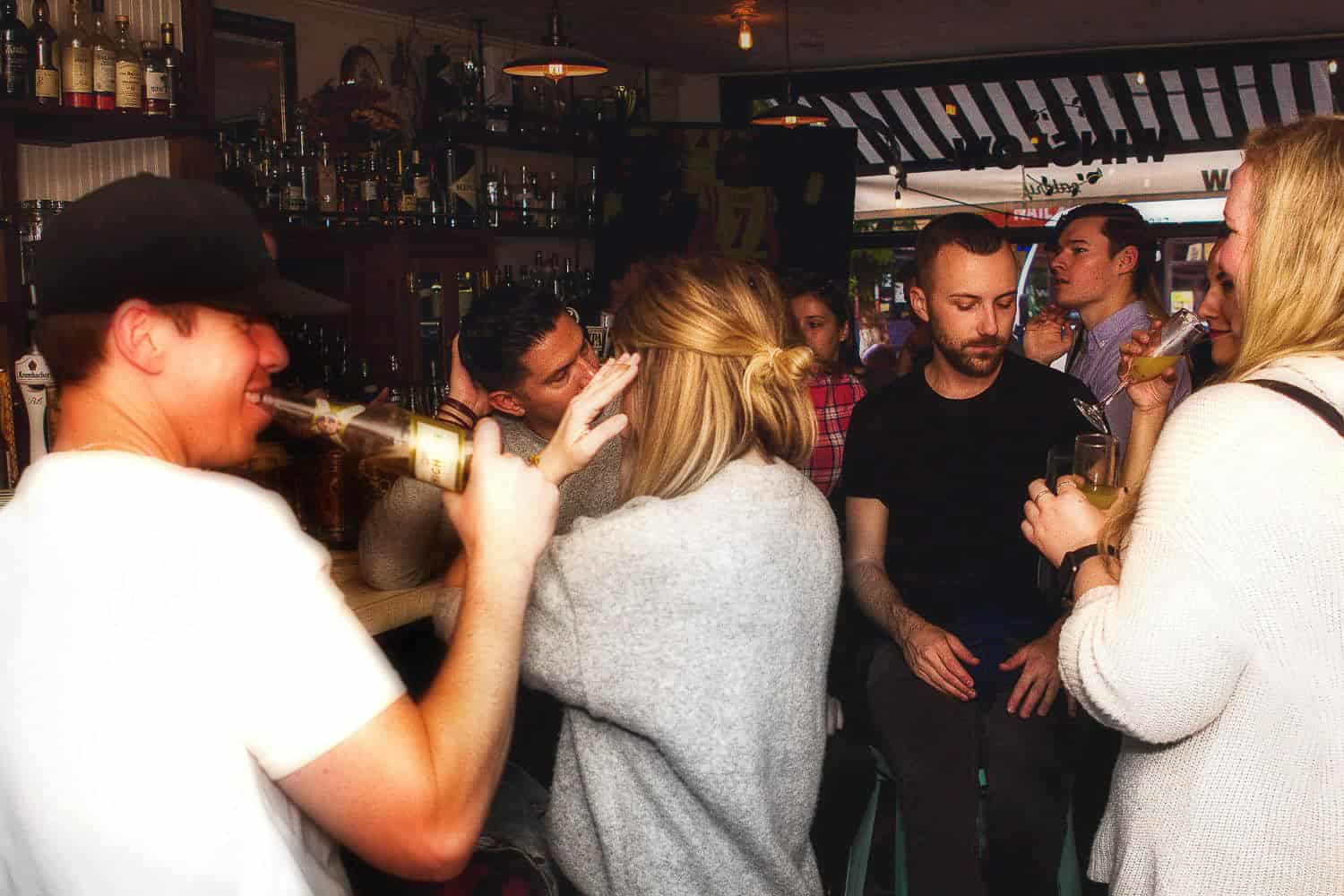
Pricing a Bar With Private Room sounds straightforward until you start collecting quotes. One venue charges a room fee and nothing else. Another waives the room fee but requires a hefty food and beverage minimum. A third gives you a tempting headline number, then layers in service charges, tax, security, AV rental, and a minimum spend that is harder to hit than it first appeared.
That confusion is common because private event pricing in bars is rarely built around a single number. It is usually a package of commitments, trade-offs, and timing decisions. If you are planning a birthday, company mixer, rehearsal dinner, networking event, or client gathering, the real task is not simply finding the cheapest option. It is understanding what you are actually paying for, what the venue is protecting, and where your budget can stretch furthest.
A private room inside a bar carries its own economics. The venue is setting aside space that could otherwise earn money from regular guests. Staffing has to be scheduled differently. Inventory may need to be reserved. Sound levels, cleanup, and guest flow all become more complicated when one group wants exclusivity inside a working hospitality business. Once you understand those moving parts, the pricing starts to make a lot more sense.
Why private room pricing varies so much
Two bars can sit three blocks apart, offer similar cocktails, and still price their private rooms very differently. Usually that comes down to a few practical factors.
First, the room itself matters. A truly enclosed room with doors, dedicated speakers, its own bar station, and private restroom access commands a premium. A semi-private section behind curtains or partial dividers may be marketed as a private room, but it is not the same product. If your event needs speeches, confidentiality, or a more controlled atmosphere, that difference matters.
Second, the day and time matter more than most first-time bookers expect. A Thursday at 7 p.m. Can be far more expensive than a Tuesday at 6 p.m., even if your headcount is identical. Bars make most of their money during peak traffic windows. Reserving a private room on a busy evening means the venue is giving up some opportunity to serve higher-margin walk-in business. That lost opportunity gets built into the quote.
Third, location drives price hard. A neighborhood bar in a secondary market may quote a few hundred dollars for a room fee, while a high-demand downtown venue in a major city may require several thousand dollars in minimum spend. Neither is automatically overpriced. They are just operating under different rent, labor, and demand realities.
Guest count also changes the structure. A small group of 15 might fit into a private nook with a modest minimum. A group of 60 may trigger extra bartenders, security, furniture reconfiguration, or even a partial buyout logic. The bigger the group, the less likely you are paying for only the room.
The pricing models you are most likely to see
When people compare venues, they often focus on the room fee because it is the easiest number to recognize. In practice, room fee is only one of several common pricing methods.
Some bars charge a flat rental fee. This is the cleanest model on paper. You pay for the space, and food and drinks are billed separately or through a package. This arrangement can work well if your guests are light drinkers or if you want tight budget control.
Other venues rely on a food and beverage minimum. Instead of charging directly for the room, they require you to spend a set amount on drinks and catering. If your group hits the minimum, there is no extra room charge. If you fall short, you pay the difference. This model can be excellent for larger or more social groups because the money goes toward actual consumption rather than pure rental cost. It can also backfire if your attendees drink less than expected.
A third model blends both approaches. You might see a modest room fee, plus a minimum spend. This usually appears in premium spaces where the venue knows the room has standalone value and also wants a baseline revenue guarantee.
Then there are package structures. These can include open bar tiers, passed appetizers, buffet service, dessert, staffing, and setup. Packages are useful when the host wants predictable spend and less day-of decision-making. The caution is that package pricing sometimes hides weak value. You may pay for premium liquor your group would not have ordered, or for food volume that ends up untouched.
I have seen clients get dazzled by a low room fee, only to discover the venue’s drink prices and mandatory package requirements made the total higher than a more transparent competitor. I have also seen the reverse, where a venue with a bigger minimum ended up cheaper because the group would have spent that amount on drinks anyway.
What a minimum spend really means
This is one of the most misunderstood parts of booking a Bar With Private Room. A minimum spend is not a deposit you lose automatically, and it is not always a fee on top of your bill. It is a commitment that your event will generate a certain level of revenue for the venue.
If the minimum is $2,500 and your guests spend $2,700 before tax and service, you have met the requirement. If they spend $2,100, you typically owe the remaining $400. That seems simple, but the important questions live in the details.
Ask whether the minimum is calculated before or after tax and service charges. In many venues, only the pre-tax, pre-service subtotal counts. Ask whether gratuity counts toward the minimum. Often it does not. Ask what types of purchases qualify. Sometimes only food and beverage apply, while room rental, AV, and bartender fees do not.
This is where planners get caught. They assume a $3,000 event budget will satisfy a $3,000 minimum, but after backing out sales tax and a 20 percent or 22 percent service charge, they realize the room actually needs closer to $3,700 or more in all-in spending.
A quick example shows the difference. Suppose a venue requires a $2,000 minimum, plus 22 percent service and 8 percent sales tax. To spend exactly the minimum, your final bill may land around $2,600, depending on how your local tax rules work and how gratuity is handled. The minimum was not deceptive, but it was incomplete as a budgeting number.
Room fee, deposit, and service charge are not the same thing
These terms get used loosely, and that creates expensive misunderstandings.
A room fee is what you pay to reserve the private space. It may or may not be applied toward your final bill. In some places it is purely a rental charge. In others it acts more like a credit. You need that in writing.
A deposit is money paid in advance to secure the date. It is usually applied to the final bill, but its refundability depends on the cancellation terms. A 50 percent deposit due at signing is not unusual for private events, especially in busy seasons.
A service charge is an administrative or hospitality charge added to the bill. Many guests assume this is the staff tip. Sometimes it is, sometimes it is partly retained by the house, and sometimes an additional gratuity line still appears. There is no universal rule. Ask directly how service charges are distributed and whether additional tipping is expected.
That conversation can feel awkward, but it is standard business. You are not being difficult. You are trying to compare one quote to another on equal terms.
The biggest variables that push the price up
Most bar event budgets rise in predictable places. If you know where those pressure points are, you can decide which upgrades actually matter to your event.
Here are the most common cost drivers:
- Peak scheduling, especially Thursday through Saturday evenings
- Premium open bar packages or top-shelf liquor requests
- Dedicated staffing, such as private bartenders, servers, or security
- Audio-visual needs, microphones, screens, music control, or DJ setup
- Extended event time, early access, or overtime beyond the contracted window
The trap is assuming these are all optional. Some are not. A venue may require security over a certain guest count, or a bartender for every set number of attendees. A company happy hour with 25 guests has one pricing profile. The same event with 80 guests, speeches, and a branded slide deck is a different operation entirely.
I once worked with a team planning a modest internal celebration. The room itself looked affordable until they added 30 minutes of setup access, a wireless microphone, and a second bartender to keep the line moving. None of those asks were unreasonable, but each had a price. The room did not get more glamorous. It simply got more functional, and function costs money in hospitality.
Open bar versus cash bar versus drink tickets
This choice shapes the budget more than décor, entertainment, or almost anything else. It also affects the tone of the event.
An open bar gives guests freedom and can make the evening feel generous and easy. It also introduces risk if attendance is uncertain or if the crowd is enthusiastic. Some venues offer capped open bars, where service switches to cash bar after a set amount is reached. That arrangement can be a smart middle ground, but only if the transition is communicated tactfully.
A cash bar keeps the host’s exposure low, though it may feel less celebratory in some contexts. For birthdays or weddings, guests often expect drinks to be hosted at least in part. For networking events or casual alumni meetups, cash bars are more accepted.
Drink tickets or hosted consumption tabs often work best for mixed groups. You might cover two drinks per guest and let individuals purchase anything beyond that. This approach gives you cost control without the stiffness of a full cash bar from the start.
From a pricing perspective, open bar packages can look expensive, but they are not always a bad deal. If cocktails are $16 and wine is $14, a two-hour premium package at $45 to $60 per person may be reasonable for a sociable group. If your crowd is light on alcohol or starts late, a package may be a poor fit. The right choice depends less on etiquette and more on actual guest behavior.
Food can quietly make or break the quote
Many hosts obsess over drink pricing and underestimate catering. In a bar setting, food service often carries hidden logistical costs. Passed appetizers require servers. Hot food may require timed kitchen production and equipment. Dietary accommodations can complicate package menus. If the room is fully private and removed from the kitchen or main floor, labor costs may climb further.
The cheapest food option is not always the smartest. If your event runs during dinner hours, too little food can lead to heavier drinking, faster consumption, and a rougher crowd dynamic. If you are trying to hit a food and beverage minimum efficiently, hearty shareables or buffet-style items often do a better job than elaborate canapés that disappear in ten minutes.
The best menu strategy depends on event length and purpose. A 90-minute mixer can get by with light bites. A three-hour celebration starting at 7 p.m. Usually needs substantial food unless the invitation clearly frames it as drinks only. Hosts who underfeed often pay for it indirectly through guest dissatisfaction or overconsumption at the bar.
Questions worth asking before you compare quotes
A good venue salesperson should be able to answer detailed questions without evasiveness. If the answers feel vague, that usually tells you something.
Focus on clarifying what is included, what counts toward the minimum, and what happens if your attendance shifts. Ask about setup time, decoration limits, music policy, vendor access, cake fees, outside dessert rules, and whether you control the playlist or screens. Small operational details can change the value of the room dramatically.
These questions tend to surface the real price fastest:
- What is the all-in estimated total, including tax, service, and mandatory fees?
- Does the deposit apply to the final bill, and when does it become nonrefundable?
- What exactly counts toward the food and beverage minimum?
- Are bartender, server, security, AV, or cleanup charges required?
- What happens if my guest count increases or decreases after I sign?
That last point deserves extra attention. Some bars price based on a minimum headcount or reserve the right to move your group if attendance changes significantly. If you book a room for 40 and only 18 show up, the venue may still expect the original commitment. On the other side, if 55 guests arrive, the venue may not be able to accommodate them safely without additional charges or a space change.
Timing can save you more than negotiating
People often ask whether private room pricing is negotiable. Sometimes it is, but the room to negotiate is usually narrower than they hope. Bars know their peak dates and profitable windows. They are less likely to discount a Friday night than to add value on a quieter Tuesday.
If your date is flexible, that flexibility is your strongest leverage. Early week evenings, brunch hours, late afternoon start times, or off-season dates often bring better minimums and fewer mandatory add-ons. You may not get a lower room fee directly, but you might secure a waived AV charge, reduced minimum, welcome drink inclusion, or extra setup time.
This matters because venues are not only pricing the room. They are pricing the opportunity cost of holding that room for your group. Change the opportunity cost, and the quote changes too.
For corporate planners, I often suggest asking for two proposals: one for your ideal time and one for an off-peak alternative. The difference can be substantial, sometimes enough to upgrade the menu or host more drinks without increasing the total budget.
How to estimate a realistic budget before you book
If you are early in the process and just need a planning range, start with your guest count and work backward from likely consumption. For a moderate urban market, a private room event at a bar can easily land anywhere from $50 to $150 or more per person all-in, depending on duration, menu, drink style, and venue tier. In major cities or premium venues, the range can move higher quickly.
A simple hosted event with beer, wine, a few appetizers, and a two-hour reservation might stay near the lower end. A Saturday night party with cocktails, full catering, premium liquor, staffing, AV, and tax and service can climb well beyond the midpoint.
The cleanest budgeting method is to ask every venue for the same scenario. Give them the same date range, guest count, event length, drink approach, and food expectation. Ask for an all-in estimate, not just the minimum or room fee. Once you compare apples to apples, the best value usually becomes obvious.
One thing experienced planners learn is that predictability often matters more than the lowest quote. A venue that provides a clear event order, transparent fee structure, and realistic spend guidance is usually safer than one that seems cheaper but leaves too much open to interpretation. Surprises are what ruin event budgets.
When a more expensive private room is actually the better deal
There are times when paying more upfront saves money, stress, or reputation later. If the room has a dedicated bar, service may be faster and guest tabs more accurate. If the venue is used to private events, staffing will be smoother, and your timeline is less likely to slip. If the room is fully enclosed, speeches can happen without fighting main-floor noise. If the contract language is clean, you reduce the risk of disputes after the event.
That matters for professional gatherings especially. A client event in a cramped semi-private corner with slow service can cost more in perception than you saved in dollars. For social events, comfort and flow matter just as much. Guests remember whether they had space to talk, whether drinks arrived quickly, and whether the room felt worth dressing up for.
I have watched hosts chase the lowest number only to spend the evening troubleshooting line queues, missing glassware, weak food pacing, and seating shortages. I have also watched a well-run room at a slightly higher minimum deliver a relaxed, seamless event that felt generous without actually overspending.
A Bar With Private Room is not just a square footage purchase. It is a service environment, and service quality has a price.
Reading the contract like someone who has done this before
The proposal or event agreement tells you more than the sales email. Read it slowly. Look for the cancellation schedule, final guest count deadline, minimum spend terms, overtime rates, outside vendor restrictions, force majeure language, and payment timing. Check whether the venue can relocate your group within the property. Check whether they reserve the right to substitute menu items. If the agreement mentions “consumption plus fees,” ask for an example invoice.
Pay close attention to the event window. Many hosts think they have a three-hour party, but the contracted time may refer only to guest access, not setup or breakdown. If your florist, photographer, or corporate branding team needs entry early, confirm whether that costs extra.
Also check what happens if you do not meet the minimum because attendance drops. Some venues are understanding if they can resell the room. Others treat the minimum as absolute. Neither approach is unusual, but you need to know which one you are signing.
Getting the best value without cheapening the event
The smartest savings rarely come from stripping everything down. They come from matching the format to the group. A shorter event with a strong first round of drinks and substantial appetizers can feel better than a longer event with weak food and a cash bar surprise. A weekday reservation can create room in the budget for higher-quality cocktails or a more polished room. A limited curated bar often performs better than an unlimited premium package nobody fully uses.
If you are planning for a mixed crowd, focus first on comfort, service speed, and enough food. Those three factors do more to shape guest experience than an extra top-shelf spirit or an oversized dessert display. Hospitality is about flow. A room that works, staff that keeps up, and a bill you actually understand are worth paying for.
Pricing a private room in a bar is less about decoding one magic number and more about seeing the entire structure clearly. Once you understand how room fees, minimums, labor, timing, and service charges interact, the market https://ameblo.jp/augustckne970/entry-12978902619.html becomes much easier to navigate. At that point, the right venue is rarely the one with the lowest headline figure. It is the one whose price matches the event you want to host, with the fewest unpleasant surprises between the first quote and the final invoice.
The Winslow
Address: 243 E 14th St, New York, NY 10003
Phone number: +12127777717
FAQ About Bar With Private Room
Which bars in NYC offer private rooms?
Many bars in New York City offer private and semi-private rooms for parties and events, ranging from hidden basement speakeasies to upscale lounge spaces. Top options include The Back Room on the Lower East Side, Dear Irving Gramercy, Pebble Bar in Midtown, Mister Paradise in the East Village, and The Winslow in the East Village.
What is a private room in a pub called?
A small, private seating area or partitioned booth in a traditional pub is most commonly called a snug. Larger private rooms used for events, parties, or dining are typically referred to as private dining rooms, function rooms, or back rooms.
How much does a 2 hour open bar cost?
A 2-hour open bar generally costs between $15 and $45 per person, depending heavily on the quality of alcohol you choose. For a standard group of 100 guests, this translates to an overall cost of $1,500 to $4,500 before taxes, setups, and staff gratuities.